
Bridging Worlds: Where Science Meets Spirit
An integrative training in psychedelic-assisted practice, ceremonial work, and trauma-informed group facilitation
Co-facilitated by Dr. Lauren Macdonald and Beáta Alföldi
With guest teachers, wisdom keepers, and ceremonial leaders

OVERVIEW
Bridging Worlds is a six-month experiential training for practitioners who feel called to work where psychedelic-assisted therapy, relational and somatic practices, and earth-centred ceremonial traditions meet.
Designed for guides, space holders, clinicians, therapists, shamanic practitioners and group facilitators, the training explores how we can support healing and transformation with greater awareness, skill, humility and care across clinical, ceremonial and community settings.
Through teaching, experiential learning and shared inquiry, we explore trauma-informed practice, ethical and culturally respectful facilitation, ceremonial awareness and embodied ways of holding space. Contemporary psychedelic science and therapeutic approaches are brought into dialogue with somatic, relational and earth-centred traditions, with attention to their historical and cultural contexts.
At its heart, Bridging Worlds is a meeting place where different ways of knowing can coexist without being reduced to a single framework. It invites therapeutic practice into relationship with the Sacred, reconnecting the clinical with the ceremonial, the personal with the collective, and human healing with the living wisdom of the Earth.
We are interested not only in the healing and insights that can arise through working with plant medicines and psychedelics, but in how these experiences shape the way we live and relate to the world around us. How might personal healing deepen our sense of connection, reciprocity and responsibility? And how might we carry what we learn into our relationships, work and communities?
The 2026 cohort of Bridging Worlds is underway. Join the waitlist to be the first to hear when dates for the next cohort are confirmed.
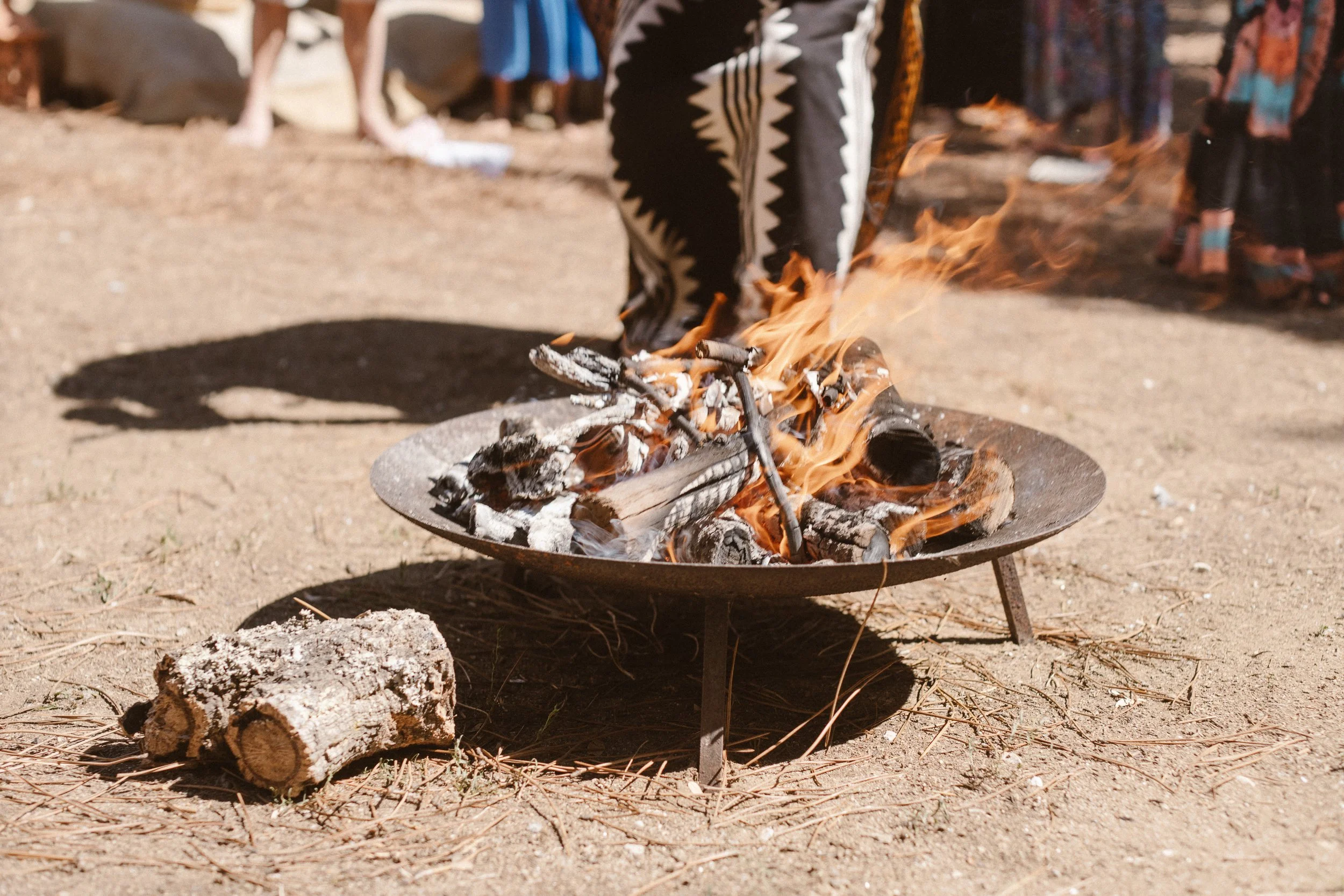
This training brings together:
Clinical psychedelic-assisted therapy, trauma‑informed care, and psychotherapeutic presence
Earth-centred practices, ceremonial frameworks, and ancestral wisdom
Somatic practice, nervous system awareness, and embodied relational attunement
Group dynamics, communitas, and collective field awareness
Ethical awareness, intercultural integrity, and conscious reciprocity
Over six months the training unfolds through live online teaching held fortnightly, alongside an in-person immersion in Peru’s Sacred Valley. The immersion includes guided ceremonies with Wachuma and psilocybin, held by ceremonial facilitators, and is supported by preparation and integration.
Throughout the training programme learning is supported through group dialogue creating space for participants to deepen their understanding, explore different perspectives and bring what they learn into their personal lives, professional practice and wider communities.
THE LEARNING CONTAINER
AUGUST 2026 - JANUARY 2027
The programme is held in a small cohort of 20 participants allowing for depth, continuity, and relational learning.
12 live two-hour online sessions take place fortnightly (alternate Sundays at 9:00am UK time), designed to support learning and integration alongside daily life and professional practice. Throughout the programme, we are joined by 15 guest teachers, wisdom keepers, clinicians and ceremonial leaders, bringing diverse perspectives and experience to our shared learning.
Between sessions, participants are encouraged to meet in peer practice groups. These offer opportunities for reflective discussion, skills practice and group exercises that deepen understanding, strengthen relationships and support ongoing integration.
Participants receive a comprehensive training manual, alongside curated readings and resources to support learning, reflection and integration throughout the programme.
THE JOURNEY
Foundations of the Bridge
The first phase of the training programme introduces the principles that underpin safe, ethical, and culturally responsive practice while exploring ceremonial, therapeutic, and clinical traditions. Together we'll explore ceremony, relational presence, trauma-informed practice, screening and preparation, therapeutic frameworks, and the responsibilities of supporting others through altered states of consciousness. Throughout this phase, you'll begin developing the understanding, practical skills, and self-awareness needed to navigate these different perspectives with curiosity, humility, and discernment, preparing you for our week together in Peru.
Peru immersion
Halfway through the training, we'll come together in Peru's Sacred Valley for a week of immersive learning. The themes explored online are brought into direct experience through ceremony, teaching, group process, time in nature and shared community. Working in respectful collaboration with local traditions, you'll learn from experienced ceremonial leaders and Indigenous wisdom keepers, with opportunities to deepen your understanding through experience, observation, conversation and reflection. Group discussions provide space to explore the connections and distinctions between ceremonial, therapeutic and clinical approaches, while considering our relationships with the medicines, the land, the traditions and communities that hold this knowledge.
Integration and applied practice
Returning from Peru, the focus shifts towards integrating your experiences and exploring how the different perspectives encountered throughout the programme can inform your own life and practice. Together, we'll explore sound and music, energetic awareness, facilitating altered states, relational dynamics, shadow work, integration and ceremonial leadership. Throughout this phase, you'll continue developing your facilitation skills, deepening your self-awareness and exploring how to bring this work into your own professional and community contexts with integrity, care and responsibility. We'll also consider how personal healing and insight can translate into lasting changes in how we live, relate to others and contribute to the communities and wider systems we're part of.
The programme concludes by bringing together the different threads of our learning, reflecting on what it means to work across traditions and ways of knowing, and how we can continue building thoughtful, respectful bridges in our lives and practice.

PHASE I: FOUNDATIONS OF THE BRIDGE
August 2026 - October 2026
Through live online teaching and shared inquiry, this phase introduces key principles that underpin the rest of the training, including relational field-building, trauma-informed facilitation, preparation for altered states, ceremonial awareness, and the practice of right relationship.
This phase is held through six live online sessions, supported by guest teachers and panel conversations that bring multiple perspectives into dialogue.
Module 1 - Building the Bridge: Clinical, Somatic, Relational & Ceremonial Perspectives
Module 2 - Shamanic Principles of Ceremony & the Living World
Module 3 - Trauma-Informed Facilitation & Somatic Awareness
Module 4 - Walking Between Worlds: Clinical, Ceremonial & Cultural Frameworks for Altered States
Module 5 - Screening, Preparation & Therapeutic Frameworks
Module 6 - Ethics, Cultural Humility & Scope of Practice
PHASE II: PERU IMMERSION
25th OCT–1st NOV 2026
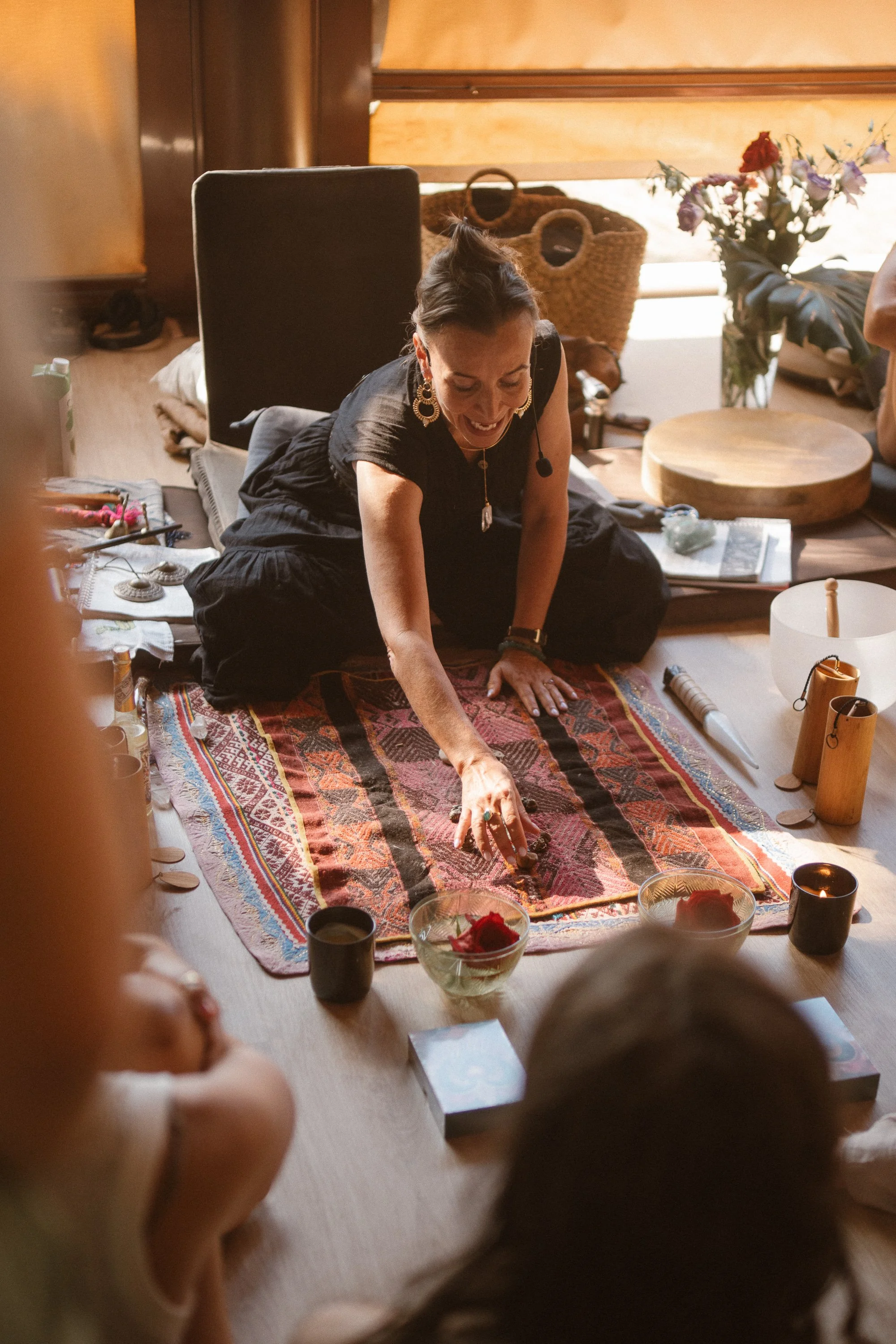
At the heart of Bridging Worlds is a residential immersion in Peru’s Sacred Valley. This phase is not separate from the training, but its living centre, where what has been explored online is embodied through direct, relational experience.
Opening with Q’ero Elders - Tipon, 26th October 2026
Following arrival and acclimatisation on 25th October, the group will spend a day in ceremony with Q’ero elders of the High Andes, wisdom keepers of an Earth-honouring tradition.
We will take part in a Despacho ceremony, receive a traditional mesa cloth blessing, and offer prayers and gifts to Pachamama (Mother Earth) in reciprocity and gratitude.
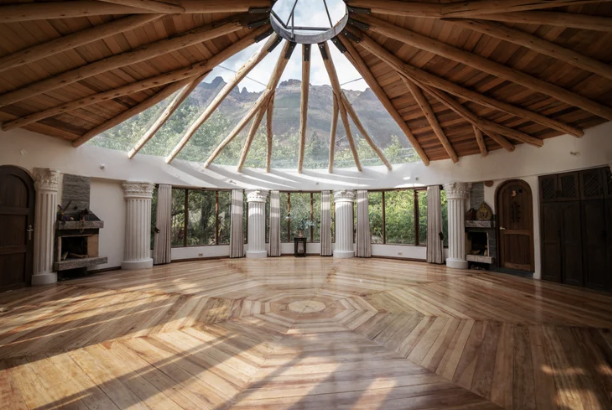
Live-in Retreat at Raices Inkas Retreat Centre, Sacred Valley - 27th October - 1st November 2026
The group then enters a five-night, six-day practicum anchoring the teachings through ceremonial and workshop experience. During this time, participants will take part in three medicine ceremonies: a daytime outdoor Wachuma (San Pedro) ceremony held by Puma Quispe Singona, followed by a Psilocybin ceremony and an evening Wachuma ceremony held by the Bridging Worlds facilitation team alongside local facilitators.
Through these experiences, you will be introduced to different approaches to ceremonial facilitation, including perspectives on energy, space, protection, reciprocity, and relationship with the land.
Throughout the immersion, you will deepen your connection with the land, awaken your unique gifts, and develop trauma-informed sensitivity through lived experience of working with the wisdom of sacred Earth medicines.
The immersion also includes:
Despacho offerings in reciprocity with the land and local community
Daily integration circles and group processing
Somatic practices, movement, and breath for regulation and embodiment
Voice activation and simple song practices
Nature-based rituals and time with the land
A traditional Temazcal ceremony led by local practitioners
Throughout this week, participants will deepen their connection with the land, refine their capacity to respond to group fields in ceremony-informed spaces, and experience in their own bodies what it is to be held, seen, and guided through expanded states.
PHASE III: INTEGRATION & APPLIED PRACTICE
November 2026 - January 2027
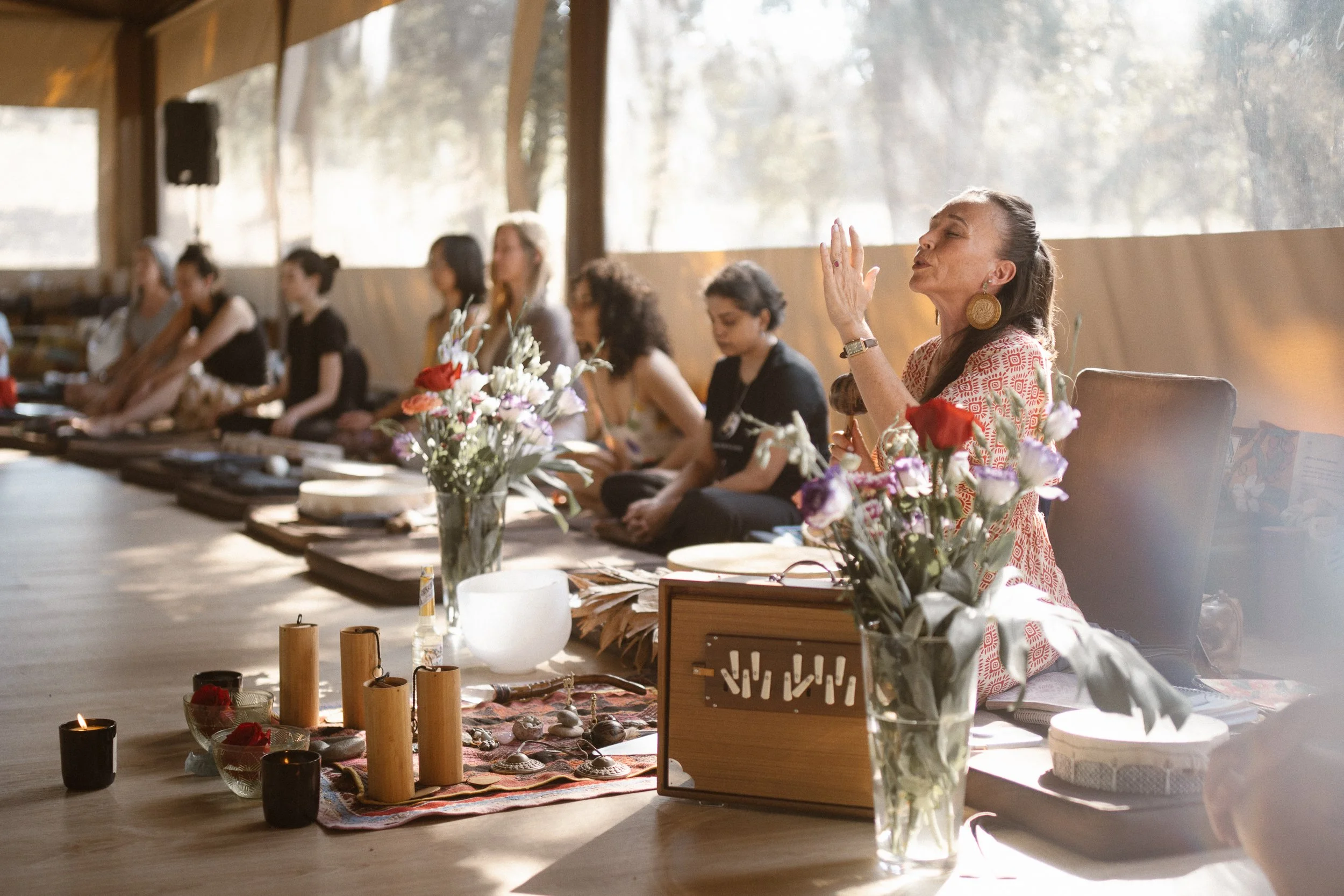
The final three months focus on integration, mentorship and applied practice, bringing together the learning and experiences of the preceding months. Through reflective practice, peer supervision, embodied exercises and ongoing group dialogue, participants deepen their understanding and explore how to bring what they have learned into their personal lives, professional practice and wider communities.
Six live online modules explore sound, energetics, altered states, relational dynamics, integration and ceremonial leadership, with continued attention to ethical practice, cultural humility and the responsibilities that come with this work.
Throughout this phase, we consider how personal healing and insight can become lasting changes in how we live, relate to others and contribute to the world around us.
Module 7 - The Medicine of Sound, Voice & Frequency
Module 8 - Energetic Attunement & Subtle Field Awareness
Module 9 - Facilitating Altered States & Supporting Non-Ordinary Experiences
Module 10 - Relational Awareness, Therapeutic Presence, Group Dynamics & Shadow Work
Module 11 - Integration: Making Meaning & Embodying Insight
Module 12 - Ceremonial Leadership, Apprenticeship & the Initiatory Path
LEARNING OUTCOMES
-
Upon completion of Bridging Worlds, participants will be able to:
Develop an understanding of key therapeutic frameworks and principles that inform safe and ethical psychedelic-assisted practice.
Understand and apply trauma-informed principles to preparation, facilitation and integration while honouring the innate healing wisdom of each participant.
Understand key principles of psychological screening and readiness assessment including risk, stability, contraindications and suitability for psychedelic experiences while recognising the limits of their own professional scope.
Recognise and respond to trauma responses and states of dysregulation while developing a grounded and attuned presence.
Deepen their capacity for therapeutic presence and explore ways of responding to emotional, somatic, archetypal and spiritual material that may arise within expanded states.
Understand different approaches to integration that support meaning-making and emotional processing and recognise when additional therapeutic, psychiatric, medical or community support may be needed.
-
Upon completion of Bridging Worlds, participants will be able to:
Support a coherent ceremonial container grounded in integrity, clarity, and intention.
Work respectfully with elemental, earth-based, and nature-led frameworks in ways that honour cultural lineages, avoid appropriation, and deepen connection to land and ancestry.
Facilitate sound, voice, and frequency-based practices for emotional, somatic, and energetic transformation within group and individual processes.
Track, interpret and respond to energetic movement, maintain boundaries, and uphold the integrity of ceremonial space.
Navigate group dynamics, facilitator shadow, projection, and power with awareness and humility.
Recognise and support mythic, archetypal, and initiatory processes, helping participants through transformative thresholds.
-
Upon completion of Bridging Worlds, participants will be able to:
Understand and uphold ethical boundaries, cultural humility and professional responsibilities across clinical and ceremonial contexts.
Deepen self-awareness, emotional regulation and embodied presence and recognise how the practitioner’s own state can influence the spaces they hold.
Explore how clinical, somatic, relational and ceremonial perspectives may inform one another while developing discernment around what can responsibly be integrated within their own practice.
Reflect on psychedelic and ceremonial experiences through structured reflection, supervision and feedback to support ongoing learning and professional development.
Recognise the limits of their own training, experience and scope of practice and know when collaboration or referral to appropriate therapeutic, medical, psychiatric, ceremonial or spiritual practitioners may be needed.
Engage in ongoing personal and professional development through self-care, contemplative practice, self-inquiry, shadow work and reflective practice.
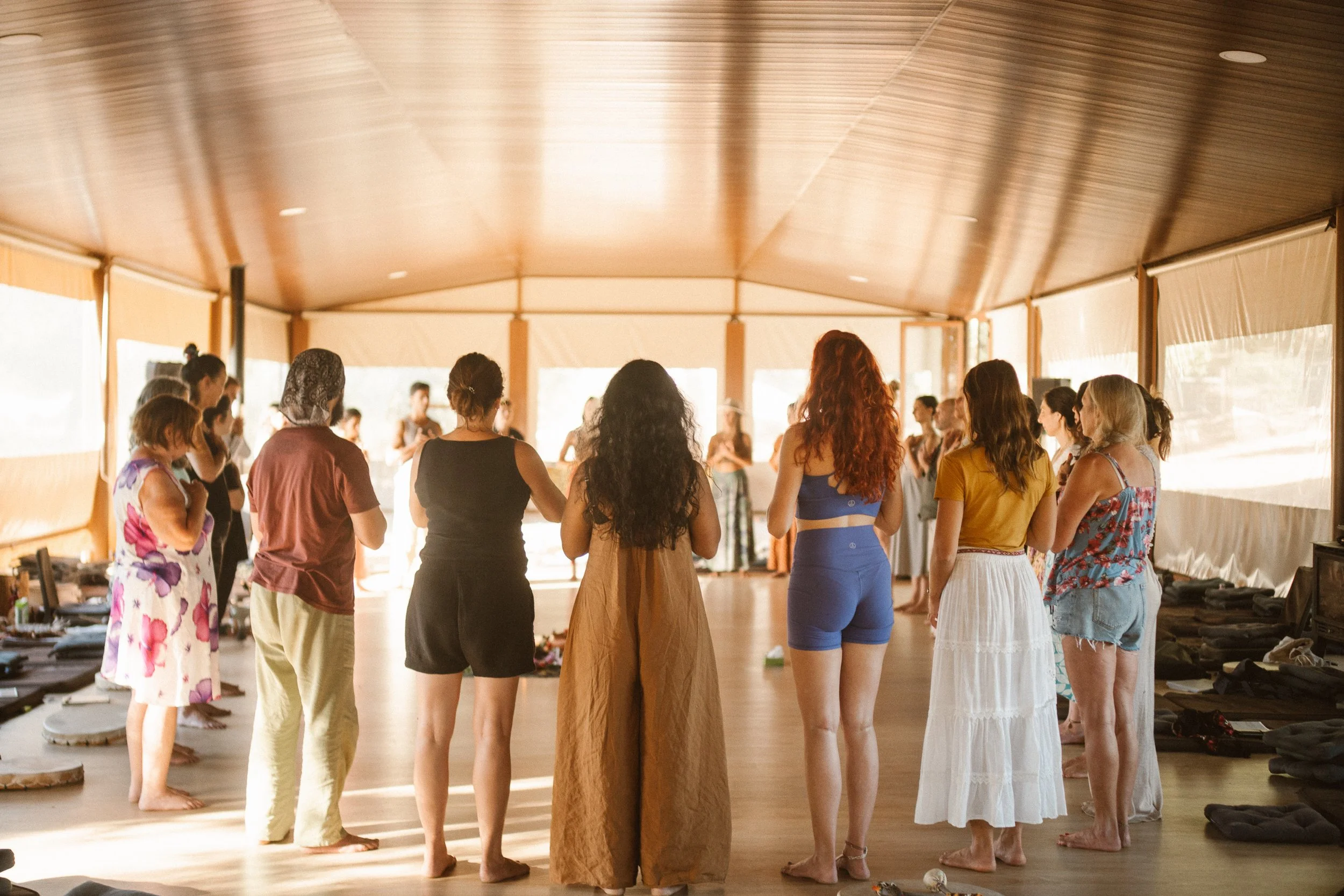
TRAINING LEADS
Dr. Lauren Macdonald and Beáta Alföldi

-
Dr Lauren Macdonald is a medical doctor who previously worked in psychiatry, a psychedelic-assisted therapist, and a group retreat facilitator. Her work bridges Western medicine with traditional and earth-based healing approaches to support whole-person wellbeing, transformation, and flourishing.
At the Centre for Psychedelic Research at Imperial College London, Lauren has served as a clinical trial doctor and psychedelic therapist on pioneering studies exploring psilocybin-assisted therapy for anorexia nervosa and fibromyalgia, and DMT for treatment-resistant depression.
Alongside her clinical work, Lauren facilitates group retreats and leads experiential trainings that advance safe and ethical psychedelic-assisted therapy. Twice yearly, she co-hosts The Reconnection, a 12-week women’s psilocybin and somatic retreat programme. She is particularly passionate about the group model, where profound relational healing, shared insight, and a sense of communitas can emerge within a strong and supportive container.
Lauren’s integrative approach to health and healing grew out of her personal journey with stage IV cancer a decade ago. That experience opened the door to a more holistic way of working—one that honours the full spectrum of the human experience: body, mind, heart, and spirit. It also revealed what is so often missing in conventional medicine and led to the co-founding of Essence Medicine, an organisation offering psycho-spiritual support to individuals navigating life-threatening illness. She is also co-founder of End Wise, an Australian initiative expanding access to psilocybin-assisted therapy in palliative care.
Her work is informed by formal training in psychology and medicine, as well as studies in yoga, Mindfulness-Based Stress Reduction, Compassionate Inquiry, MDMA-assisted therapy, nutritional and environmental medicine, and nature-based therapeutic modalities. Lauren’s understanding of healing is also shaped by earth-based wisdom traditions, shamanic facilitator training, and a deep reverence for diverse ways of knowing and being.
-
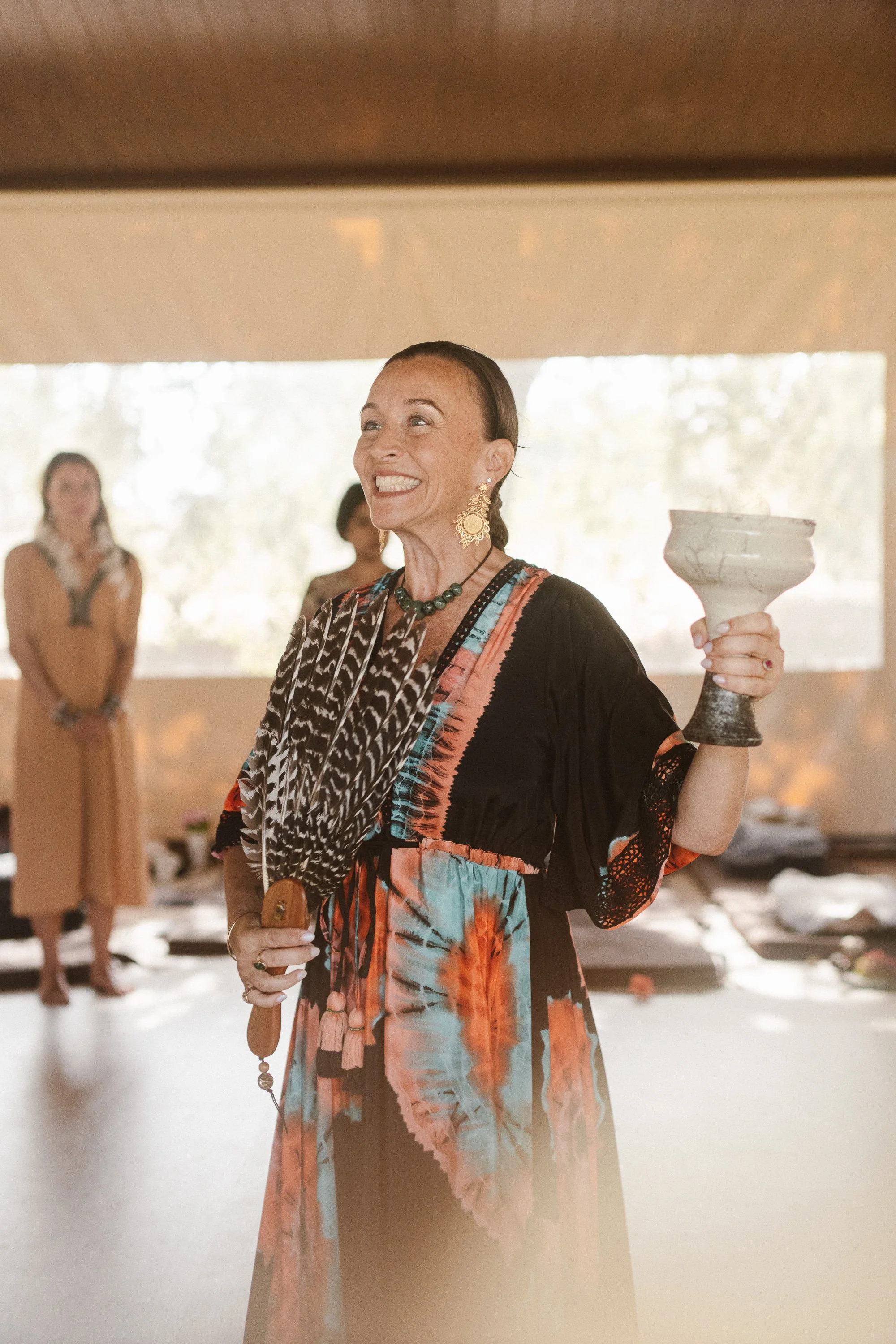
Beáta Alföldi is an international retreat leader, medicine woman, author, shamanic practitioner, ceremonial leader, sound healer, workshop facilitator, seer, and keynote speaker known for guiding individuals through profound transformation.
After a longstanding career in professional dance, theatre and choreography. Beata´s path with sacred plant medicines began in 2007, in the Amazon and Andes of Peru, where she worked closely with curanderos and curanderas.
She later created the Integral Woman programme for the Awareness Institute in Sydney, where she completed a two-year diploma in Shamanic and Energetic Healing, and went on to design an internationally accredited training for shamanic practitioners, therapists, ceremonialists and spaceholders.
Beáta is recognised for the grounded, deeply transformational spaces she holds, where people are invited into true healing, empowerment, and evolution. She works with emotional depth and integrity, helping individuals meet and move through their most tender and formative wounds. Often described as a “spiritual midwife,” she supports others in birthing their most authentic and liberated selves.
She contributed a chapter to Shamanism for the New Millennium, an Amazon #1 bestseller. Her internationally accredited shamanic training and facilitation programs, workshops, ceremonies, and retreats are offered worldwide.
She is a sought-after teacher, ceremonial leader and speaker.
Beáta’s work is infused with her own lived experience. She has not only walked but has also transformed immense grief and hardship, including the loss of her only son in childbirth. This initiatory journey informs the depth, compassion, and clarity she brings to her service.
A full member of the International Energetic Healing Association, Beáta lives in the mountains of Sintra, Portugal. She is devoted to inspiring others to live lives that are authentic, free, empowered, and radiantly alive. She brings wisdom, courage, fierceness, and love to every space she holds.
IN COLLABORATION WITH
This programme brings together a carefully curated faculty whose work reflects depth, integrity, and lived experience across clinical, ceremonial, and community contexts. Each offers a distinct perspective on expanded states, relational healing, and ethical practice.
Guest Faculty & Guides
-
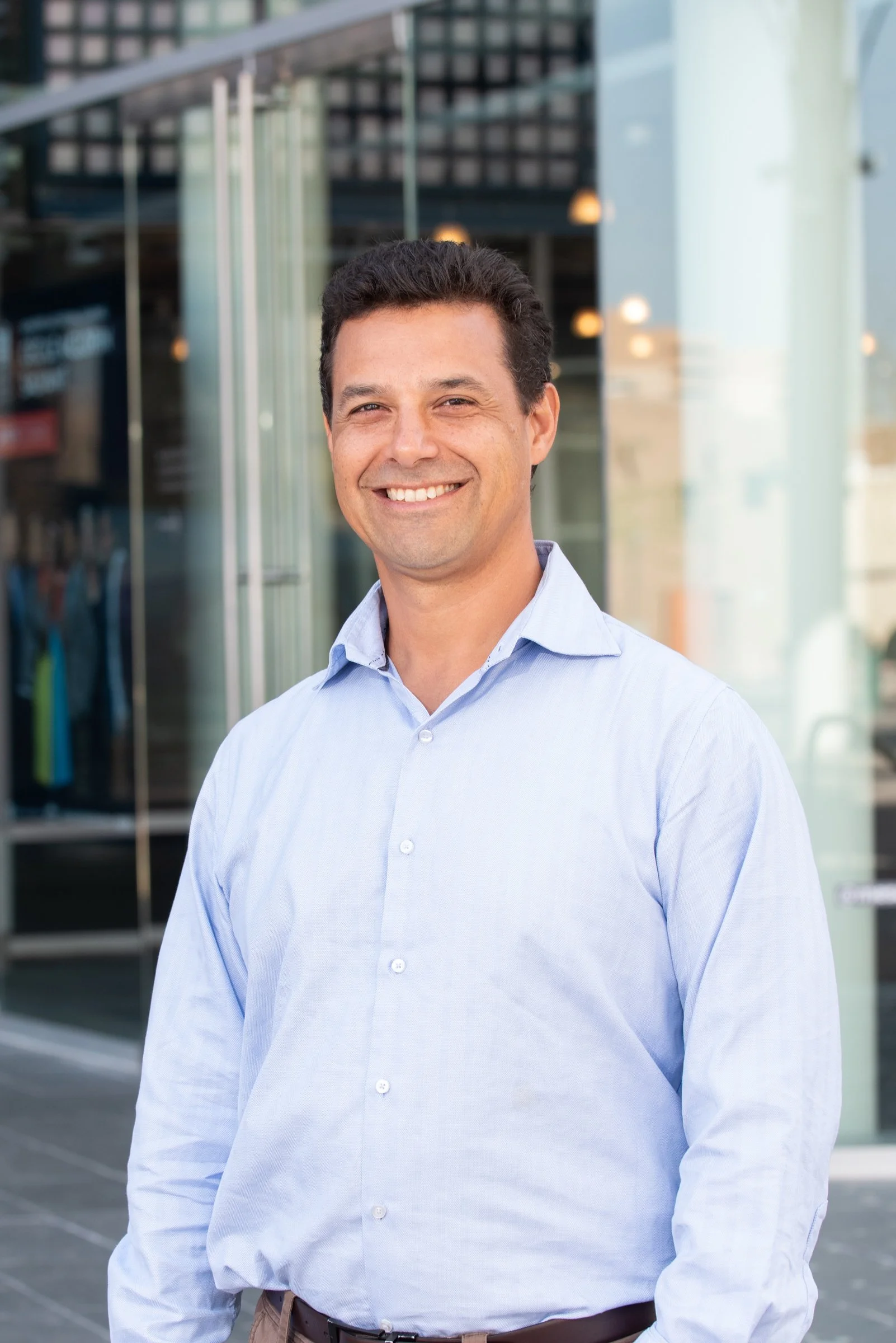
Joe Tafur, MD
Joe is a Colombian-American integrative medicine physician, trained curandero, and author. He is the author of The Fellowship of the River and Medicine Song, exploring the convergence of spiritual healing, Indigenous wisdom, and modern psychedelic therapies. Joe co-founded Nihue Rao Centro Espiritual in the Peruvian Amazon, where he trained in curanderismo, and is the founder and Executive Director of Modern Spirit, a nonprofit bridging ancestral practices and contemporary healthcare.
-
Annie Spencer
Annie is a ceremonialist and workshop facilitator with over 40 years’ experience. With a background in humanistic psychology and earth-based spiritual traditions, she is skilled at moving between spiritual teachings and the disciplines of psychology. She was apprenticed in a North American tradition and has been studying Mayan teachings from Guatemala for the past 20 years. Annie honours the traditions of her own land while enlivening them through teachings from other ancient ways.
-
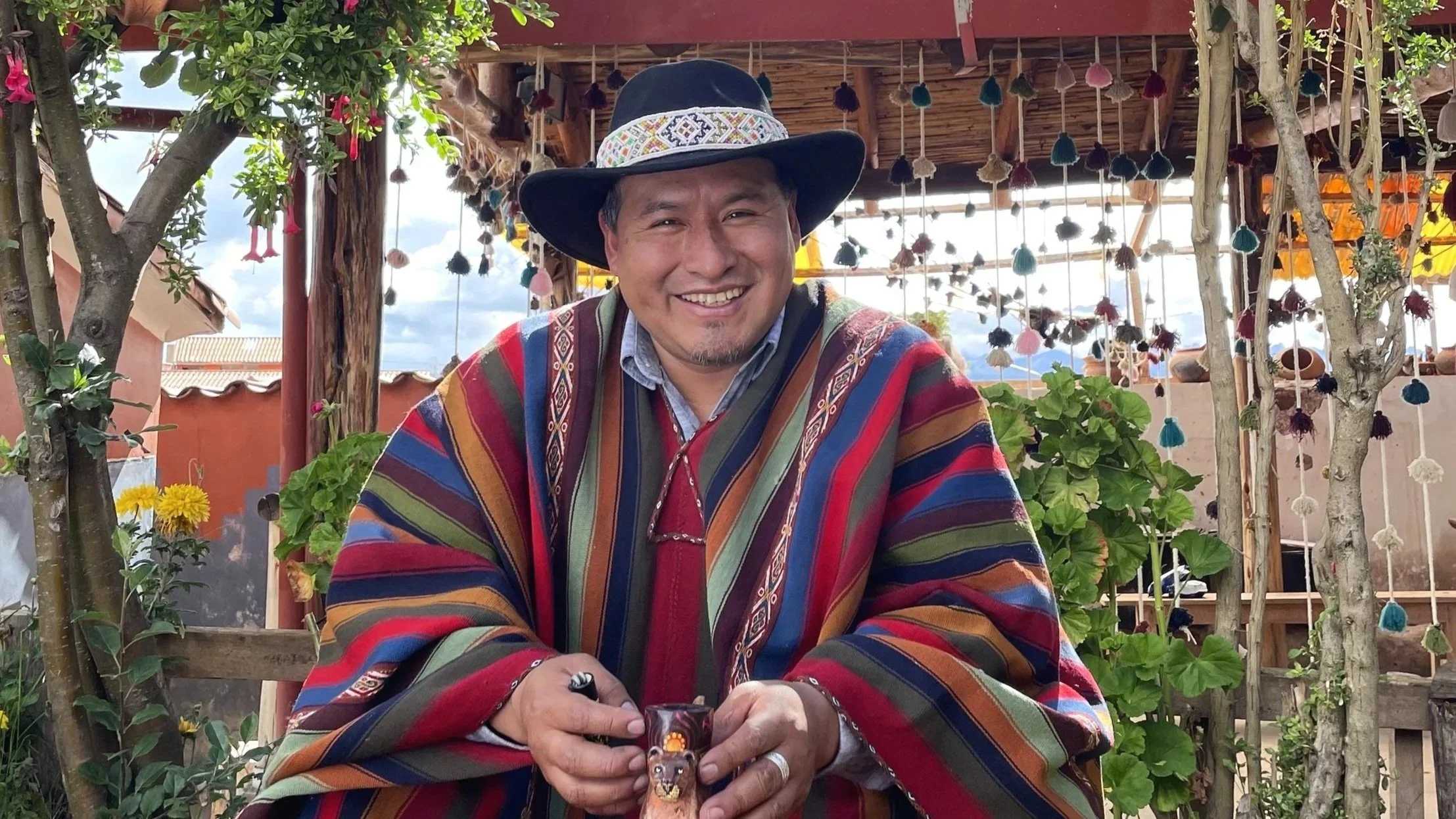
Puma Quispe Singona
Puma is an Andean ceremonial leader and wisdom keeper who has shared his teachings internationally since his teenage years. Initiated at age six through a sacred lightning rite and trained by his grandfather, Don Maximo of the Rainbow Lineage, he carries forward ancestral traditions. A practitioner of Wachuma and Ayahuasca from coastal and Amazonian lineages, he is the founder of the Noqan Kani Global Community Centre in Chinchero, Peru. Through Pumadventures, he leads journeys to sacred sites, supporting healing and connection.
-
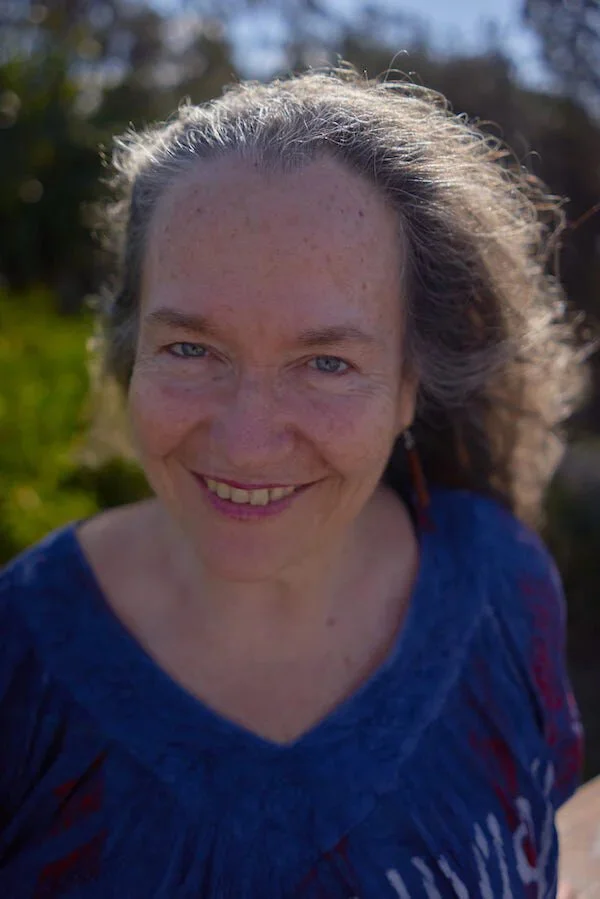
Dr Janelle Trees
Janelle is a Goori / Dhanggati woman, a TCM acupuncturist and General Practitioner who has worked in regional, rural, and remote Australia and internationally. Her clinical and educational work spans Indigenous health, emergency medicine, addiction medicine and palliative care. Her approach is shaped by a commitment to culturally safe, holistic and relational healing. A founding member of EndWise, Janelle brings Aboriginal perspectives on care, community, and cycles of life and death to conversations about end-of-life support and ethical psychedelic-assisted therapy.
-
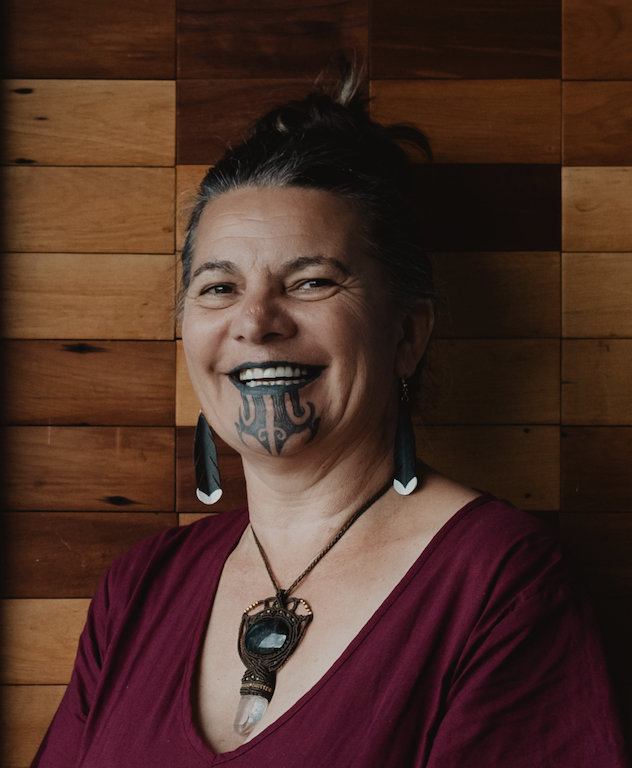
Tina Swann
Tina is a Māori facilitator, educator, and traditional healer based in Aotearoa New Zealand. Her work centres Indigenous values, whānau wellbeing, and relational accountability, with experience across facilitation, advisory, and community-based roles. She has supported marae-based kaupapa exploring rongoā Māori and psychedelic-assisted approaches, offering guidance grounded in decolonial, community-centred perspectives on care, responsibility, and collective wellbeing.
-
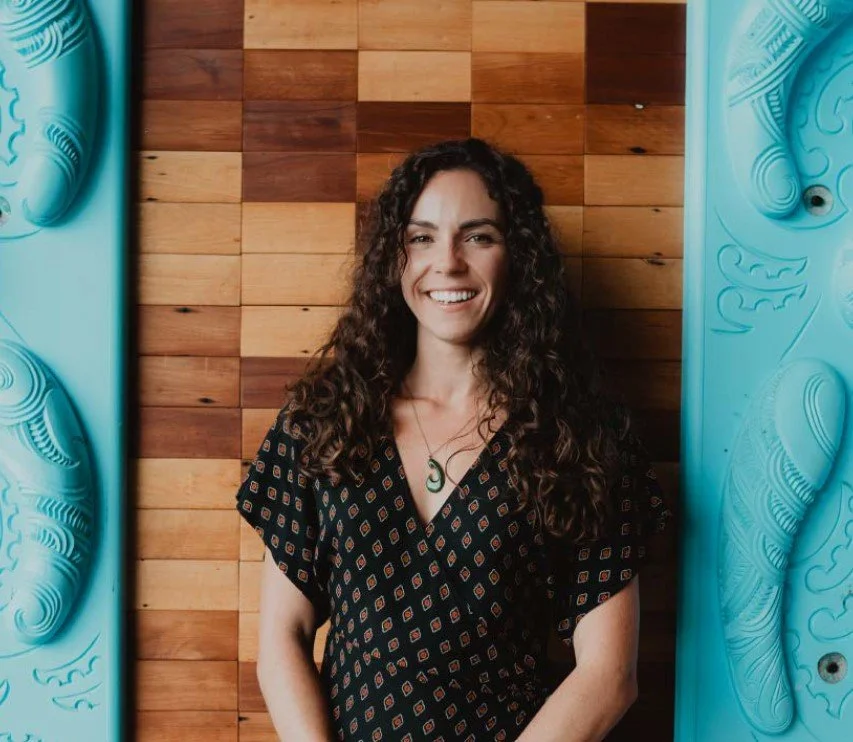
Anna-Leigh Hodge
Anna-Leigh is a Māori (Te Rarawa, Ngātiwai) and Health Psychologist from Aotearoa New Zealand, a PhD candidate at the University of Auckland, and a member of the Manawa Ora Research team. Her work is grounded in Kaupapa Māori and centres Indigenous-led approaches to healing, research, and psychedelic care. She is a student of rongoā Māori (traditional Māori medicine) and a Māori Clinical Research Fellow. Anna-Leigh leads Tū Wairua, a marae-based kaupapa exploring rongoā Māori alongside psychedelic-assisted approaches.
-
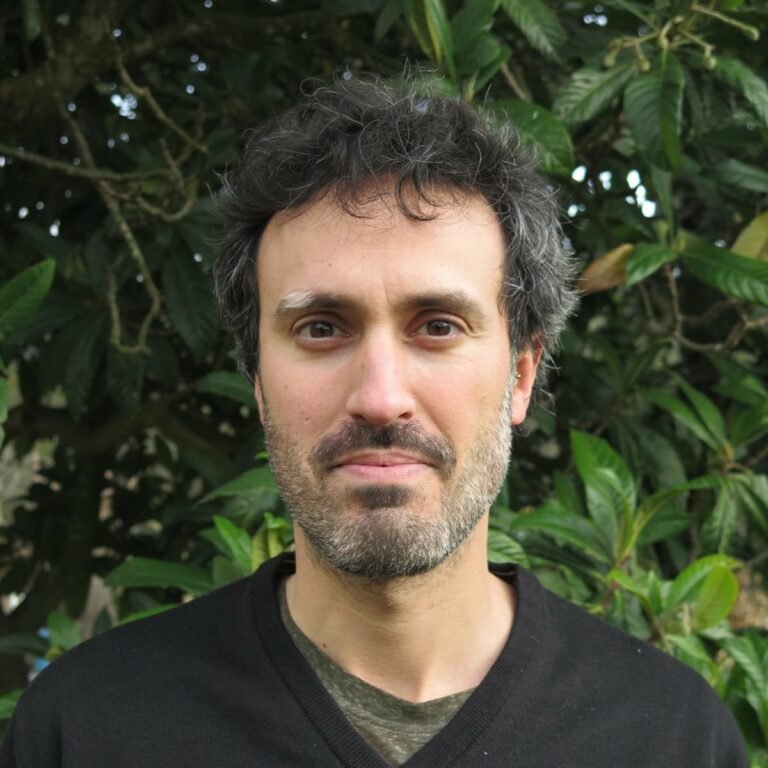
Marc Aixalà
Marc is a psychologist, psychotherapist, and co-founder of the International Center for Ethnobotanical Education, Research and Service (ICEERS). He has extensive experience supporting people through challenging and non-ordinary psychedelic experiences, including harm reduction, crisis support, and integration. Marc is the author of Psychedelic Integration: Psychotherapy for Non-Ordinary States.
-
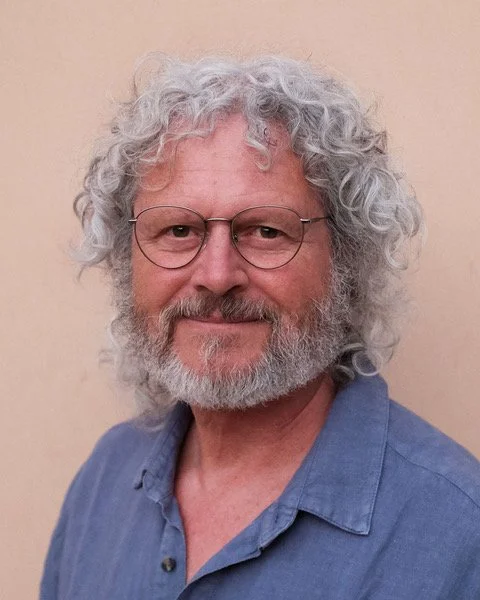
Philip Carr-Gomm
Philip is a psychologist and author of over 20 books. He was leader of the Order of Bards, Ovates & Druids for 32 years and has worked with the Synthesis Institute in their training and retreat teams, holding their Psychedelic Practitioner certificate. He is now involved in the ACER psychedelic integration programme and teaches the Psychosynthesis Certificate Course for the Alef Trust. He is co-author of the Druid Animal and Plant Oracles and the DruidCraft Tarot, and author of The Druid Way and The Gift of the Night.
-

Lucine Eusani
Lucine is an embodiment facilitator, Somatic Internal Family Systems (IFS) practitioner, and psychedelic integration specialist. Her work bridges Somatic IFS, IFIO (Intimacy From the Inside Out), embodied movement, and integration support. She has over two decades of experience in trauma-informed therapy and somatic practice, and spent several years in the Peruvian Amazon working at an ayahuasca centre and apprenticing in Amazonian shamanic traditions.
-
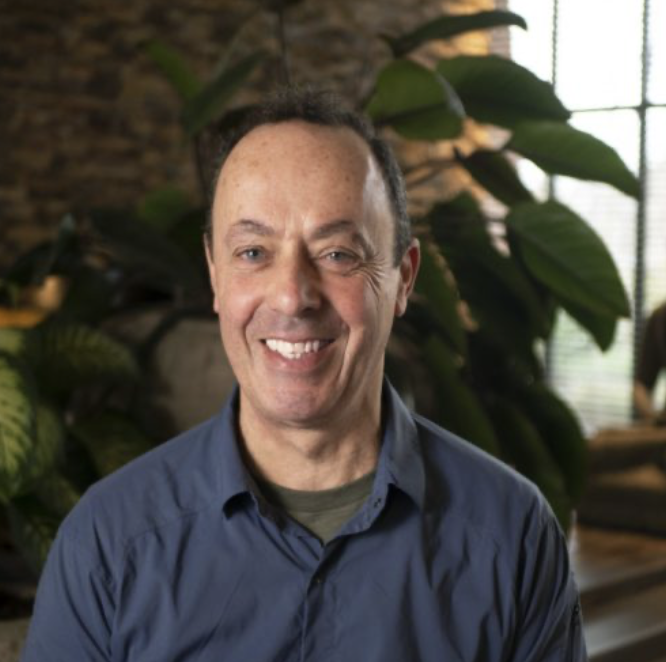
Dr Tim Read
Tim is a psychiatrist, psychotherapist, author, and educator with over two decades of experience in liaison psychiatry, crisis intervention, and psychotherapy training. He has trained in psychoanalytic psychotherapy, group analysis, transpersonal psychology, and Holotropic Breathwork, and is actively involved in psychedelic-assisted psychotherapy research, training, and supervision. Tim is co-founder of the Institute of Psychedelic Therapies and the author and editor of several influential texts, including Walking Shadows and Breaking Open.
-
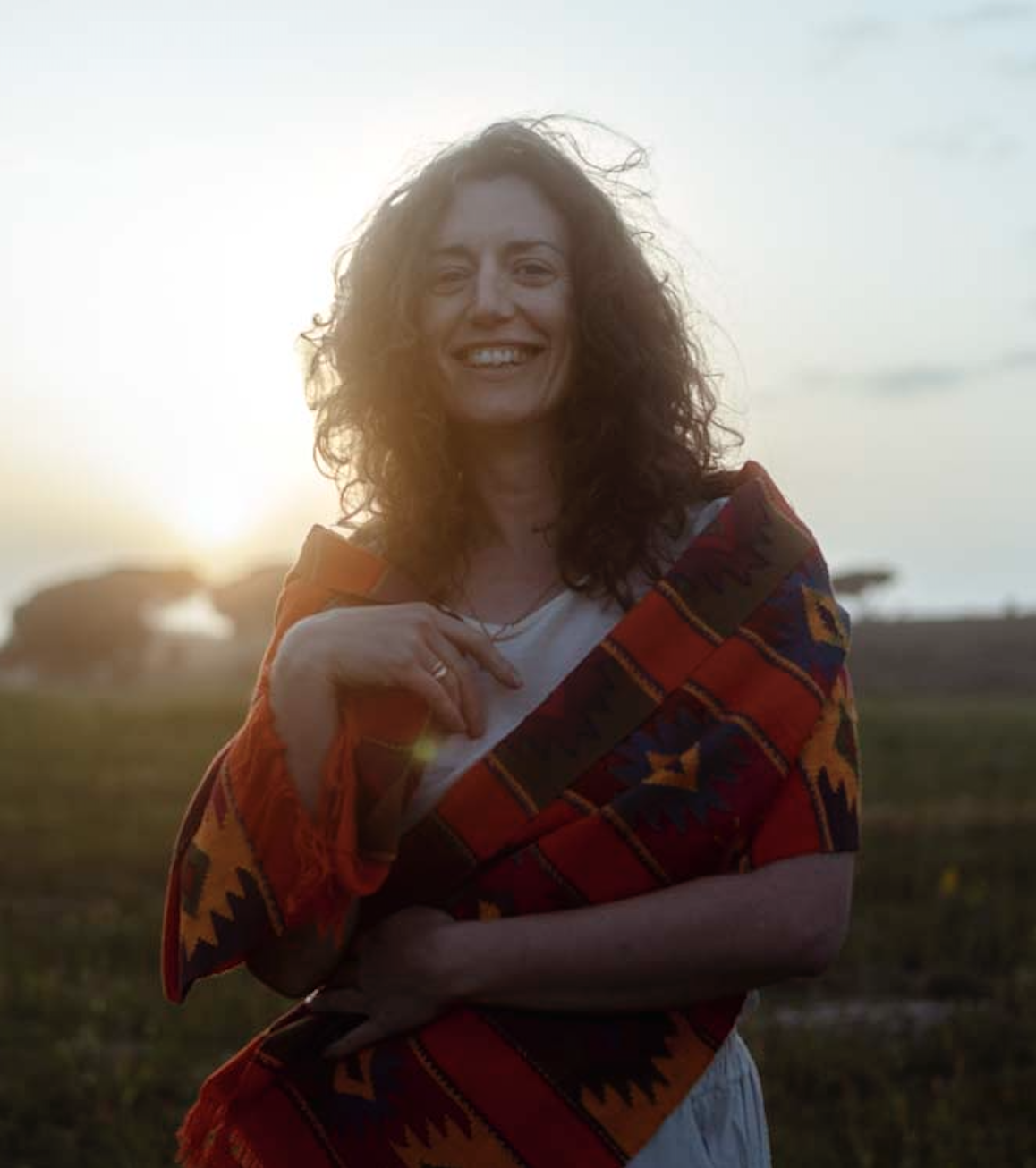
Mary Bonett
Mary is an integrative somatic therapist, yoga teacher, and psychedelic guide whose work centres trauma-informed, body-based approaches to healing. She brings over a decade of experience supporting individuals and groups in retreat and therapeutic settings, including work with survivors of trauma, violence, substance misuse, and complex mental health challenges. Her work focuses on nervous system regulation, relational presence, and embodied safety through somatic, breath, voice, and movement-based practices.
-
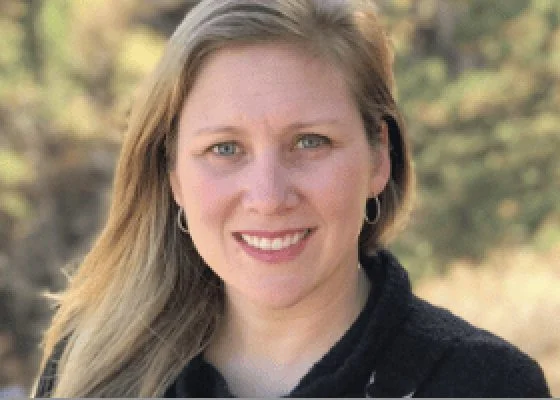
Adèle La France, PhD
Adèle is a clinical psychologist, research scientist, author, and co-developer of emotion-focused treatment modalities, including Emotion-Focused Family Therapy. She is a leader in the research and practice of psychedelic medicine, with experience across ayahuasca, MDMA, psilocybin, and ketamine. Adèle is currently the clinical investigator and strategy lead for a MAPS-sponsored MDMA-assisted psychotherapy study for eating disorders, and a clinical trainer and supervisor with Imperial College’s Centre for Psychedelic Research.
-
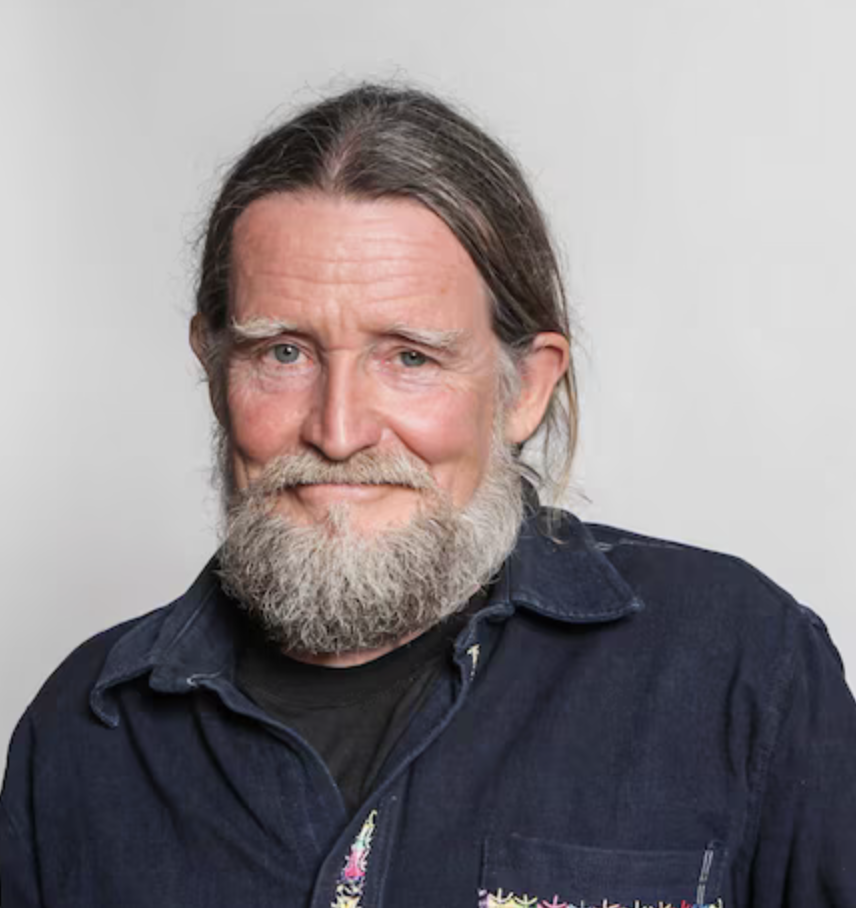
Stephen Jenkinson
Stephen is a writer, cultural teacher, and elder, and co-founder of the Orphan Wisdom School. With a background in palliative care and theological studies, his work centres grief, elderhood, ancestry, and animist European traditions. His teaching invites a deep reckoning with mortality, belonging, and the responsibilities of being human in times of cultural and ecological uncertainty.
-
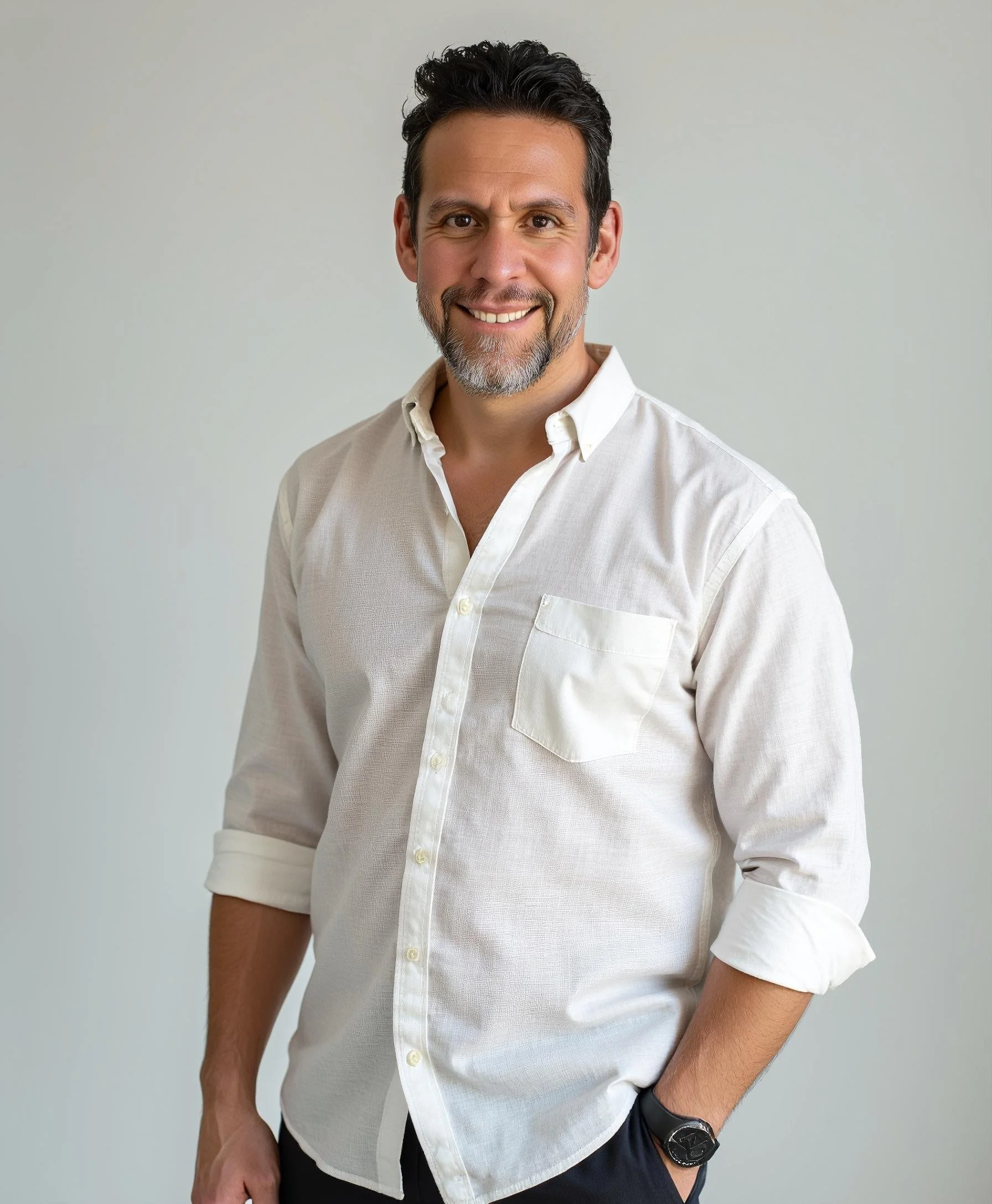
Sergio Rodriguez-Castillo
Sergio is a psychotherapist and psychedelic-assisted therapy practitioner with over 20 years of experience in sacred medicine. With a background in law and advanced training in Integral Counseling and East-West Psychology, he works at the intersection of psychotherapy, psycho-spiritual practice, and traditional plant medicine. He apprenticed for over a decade with a Mazatec curandera and leads groups exploring Mexico’s sacred mushroom tradition.
-
Jennifer Danby
Jennifer is Systemic Psychotherapist, Clinical Lead and Supervisor. Based in the UK, she was the lead therapist on the Panorexia Trial at Imperial College London and is now involved in delivering training and supervision for psychedelic assisted practices in trial and retreat settings. Her work is trauma informed, systemically focused and strongly influenced by Emotion-Focused Family Therapy (EFFT) in which she is a certified supervisor and trainer.
JOIN THE WAITLIST
Applications are currently closed
We will share details of the 2027 cohort in the coming months.
Please sign up for the wait list to be notified when they are ready.
TUITION, SCHOLARSHIPS & PAYMENT OPTIONS
August 2026 – January 2027
The tuition for Bridging Worlds is €6,500.
Payment plans
Monthly payment plans are available following an initial deposit. If you would like to explore this option, details are shared as part of the application process.
Scholarships and access
A limited number of partial scholarships are available for applicants from under-represented backgrounds and for those currently experiencing financial hardship. These are offered in recognition of the systemic and financial barriers that can make access to this work more challenging, and reflect our commitment to widening access while maintaining the depth and integrity of the training.
Reciprocity
A portion of each participant’s tuition contributes to Indigenous-led and ecological initiatives in the region. These contributions are offered in consultation with our Indigenous advisor, Puma Quispe Singona, as part of an ongoing commitment to reciprocity and care for the lands and communities that support this work.
Practical considerations
Tuition does not include international or domestic travel to and from Cusco, Peru. Participants are responsible for arranging appropriate travel and health insurance, as well as meeting passport and visa requirements relevant to their country of residence. Further practical guidance is provided to accepted participants.
RELATIONSHIP TO CULTURE & LINEAGE
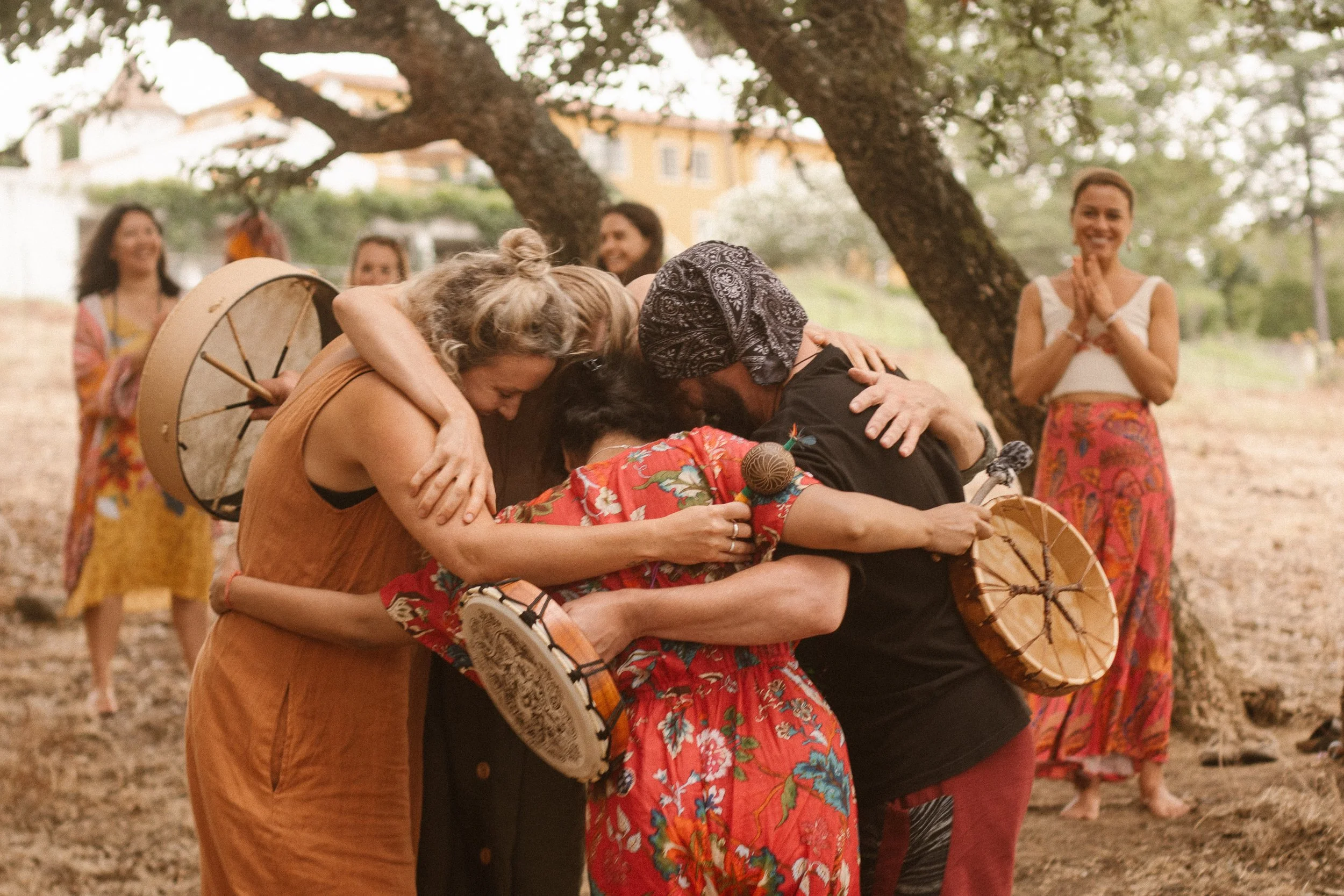
Please note that this training is not a lineage-based apprenticeship and does not teach Indigenous ceremonial practices. It offers a contemporary and culturally respectful pathway for facilitators to deepen their capacity to support expanded states of consciousness with safety and integrity, without adopting or replicating traditional ceremonial forms.
This approach recognises that different ways of working with plant medicines and psychedelics arise from distinct cultural, historical and relational contexts, and are not interchangeable. Rather than seeking to integrate or replicate traditional practices, the training supports practitioners to work with greater awareness, responsibility and respect for the lineages and communities from which these traditions originate.
Participants are supported to strengthen the quality, integrity and relational depth of the work already within their scope of practice, while cultivating a personal relationship with ceremony and spirituality grounded in their own body, land, ancestry and lived experience.
FAQ
-
Bridging Worlds is designed for practitioners who are already holding, or preparing to hold, space around expanded states of consciousness. This includes (but isn’t limited to):
Psychedelic-assisted therapy practitioners
Clinicians, psychologists, psychotherapists, counsellors, and pastoral carers
Somatic therapists and bodyworkers
Group retreat facilitators
Breathwork, movement, and earth-based practitioners
Shamanic practitioners, energetic healers, and ceremonialists
If you are unsure whether your background is a good fit, you are welcome to apply and we can explore together during the interview process.
-
Over the six months, you’ll participate in a comprehensive training designed to deepen both your skillset and your capacity to safely steward expanded states. The programme includes:
Twelve live online sessions integrating teaching, experiential practice, demonstrations, and supervised Q&A
Contributions from guest teachers and wisdom-keepers, offering clinical, somatic, ceremonial, and ethical perspectives
Structured skill development through supervised practice, case reflection, and peer feedback
Peer learning opportunities to strengthen relational competence and collaboration
An in-person ceremonial immersion to consolidate learning through direct experience
Continued access to an alumni community for ongoing connection, collaboration, and optional mentorship beyond the formal programme
-
No formal psychedelic training is required, but some prior experience in at least one of the following areas is preferred:
Clinical or therapeutic work
Somatic, trauma-informed, or body-based practice
Ceremonial, shamanic, or earth-based facilitation
Breathwork or other non-ordinary state modalities
We will ask you about your background in your application and interview so we can ensure the cohort feels cohesive and the training is an appropriate next step for you.
-
At present, there are no psychedelic therapy trainings formally endorsed or accredited by professional colleges such as RANZCP (Australia) or RCPsych (UK).
As such, Bridging Worlds is not:
A clinical qualification
A licence to offer psychedelic-assisted therapy
It is an experiential practitioner training that complements existing clinical training or apprenticeship by deepening your capacity to hold expanded states in trauma-informed, ethically grounded, and ceremonially literate ways.
You will receive a certificate of completion for Bridging Worlds, which some participants may be able to use as CPD/continuing education, depending on their professional body. We cannot guarantee accreditation but can provide documentation upon request.
-
Bridging Worlds is designed as a bridge, not a replacement:
If you have psychedelic-assisted therapy training, this programme brings in the ceremonial, somatic, group, and earth-based dimensions.
If you come from a ceremonial or shamanic background, it strengthens your clinical understanding, trauma-informed lens, and ethical/relational frameworks.
Rather than training you in one lineage or modality, we help you integrate the threads of your existing practice into a more coherent, ethical, and embodied way of working.
-
This programme is not Indigenous-led, and we name this clearly as part of our ethical responsibility.
We honour Indigenous and ancestral wisdom by:
Being transparent about our own lineages and limits
Not recreating or teaching closed or protected Indigenous ceremonies
Inviting Indigenous and lineage-based teachers as guests, with clear boundaries around what is being shared
Offering reciprocity, with a percentage of tuition directed toward Indigenous-led and ecological initiatives in the region
Q’ero ceremonies and other Indigenous practices within the immersion are received as acts of honouring and gratitude, not as training in those lineages.
-
Included in your investment:
Six-month online training (12 live teaching modules + opening & closing sessions)
Guest teachers, wisdom keepers, and ceremonial leaders
Seven-day immersion in Peru’s Sacred Valley
Twin-share accommodation during the immersion
All group meals, ceremonies, workshops, and excursions during the retreat
Access to recordings of online modules
Certificate of completion
Not included:
International and domestic flights to/from Cusco, Peru
Transport from Cusco airport to our hotel in Cusco city centre
Comprehensive travel and health insurance (mandatory)
Any required visas or entry requirements for Peru
Personal expenses, extra nights, or additional travel beyond programme dates
-
From August 2026 to January 2027, you can expect:
Fortnightly 2-hour live online modules (12 total)
Time between modules for self-practice, reflective work, and integration (approx. 2–3 hours per fortnight, depending on your engagement)
A 7-day immersion in Peru (including travel days, you may wish to allow more time either side)
We ask participants to come prepared to prioritise these dates as much as possible, as the training is relational and cohort-based.
-
We understand that life and time zones can be complex.
We ask that you attend at least 8 out of 12 workshop classes live, as this is important for group process and skills practice.
All sessions will be recorded, and you will be expected to watch any missed modules and complete the reflection/practice tasks.
If you foresee major time-zone clashes or scheduling conflicts, please mention this in your application so we can discuss whether the programme is realistically manageable for you.
-
The Peru immersion is the heart of the training. It allows you to:
Experience well-held Wachuma and Psilocybin ceremonies
Learn directly from the land, the medicines, and experienced ceremonial practitioners
Feel in your own body what it is to be safely guided through expanded states
Integrate the clinical, somatic, relational, and ceremonial principles we explore online
We understand that everyone’s medical and psychological context is unique. Participation in ceremonies is always preceded by careful screening and individual conversations around safety and appropriateness.
We expect that most participants will come with an intention to take part in the ceremonies, as they are central to this training.
However:
All medicine work is subject to comprehensive medical and psychological screening.
If it becomes clear that ingesting the medicine is not appropriate or safe, you may still be able to attend the immersion and participate as a non-medicine participant, holding space and learning from the field. These decisions are made case-by-case, with safety coming first.
-
Because the training involves work with powerful entheogenic medicines and altered states, we carry out:
A detailed medical history and medication review
A psychological/psychiatric history
Assessment of current stability, support networks, and ability to engage with integration
Certain conditions or medication combinations may mean that this training is not appropriate (for example, some psychotic spectrum conditions, untreated bipolar disorder, or specific cardiovascular issues).
-
A non-refundable deposit of €1,500 is required to secure your place.
The remaining tuition can be paid upfront or via an agreed payment plan.
Because we are holding accommodation, retreat space, and long-term planning for a small cohort, refunds on fees paid (beyond the deposit) may only be available up to a certain date before the training begins and/or the Peru immersion.
We will provide a clear written refund and cancellation policy at the time of enrolment so you know exactly where you stand. If you have questions about this before applying, please reach out to us directly.
Please note: you can also pay in instalments
After your deposit is paid:
We offer monthly instalment plans for the remaining balance, to be completed before the start of the Peru immersion.
If you have specific financial circumstances you’d like us to consider (e.g. lower-income country, caring responsibilities), please mention this in your application.
-
Yes. A limited number of partial scholarships are available for under-represented applicants and those with genuine financial need, especially practitioners:
From marginalised or historically excluded communities
Working in community-based or low-resource settings
Committed to bringing this work back to underserved populations
You can indicate your interest in scholarship support in your application form, and we will follow up with further questions if needed.
-
Many people joining will be able to count Bridging Worlds towards their CPD/CE requirements (depending on their governing body).
We will provide a certificate of completion and can offer a programme outline and learning outcomes on request.
It is your responsibility to check with your professional college or association whether this training meets their criteria.
-
In many countries, clinicians and practitioners are able to claim professional development, supervision, and training expenses as tax deductible when they are directly related to their work. We recommend checking with your tax advisor to confirm whether this training can be claimed as a deductible expense in your jurisdiction.